


Gun War: 3D Shooting Games
4.616.00 Reviews
App Specs
- Version
- 1.10.0
- Updated On
- License
- Free
- Downloads
- 100,000+
- Developer
- VNGGames Studios
- Categories
- Action
- Platform
- Android
Screenshots
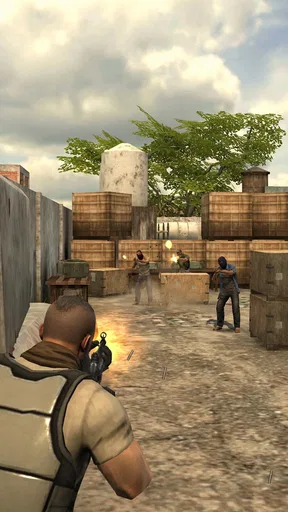
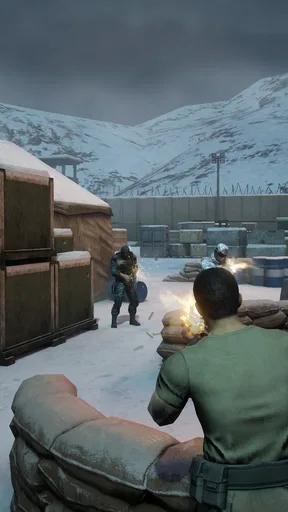
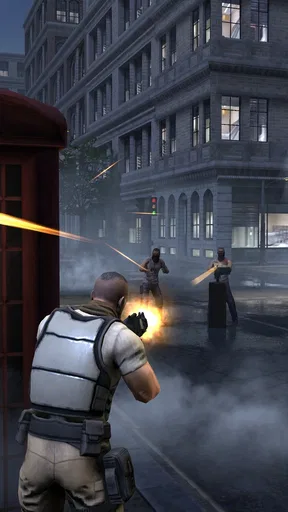
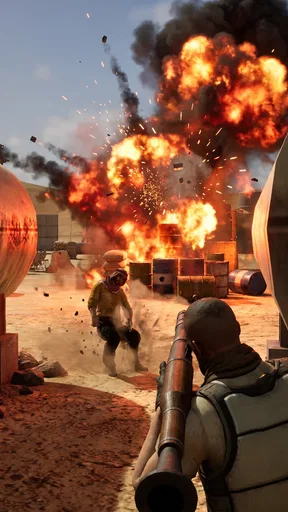
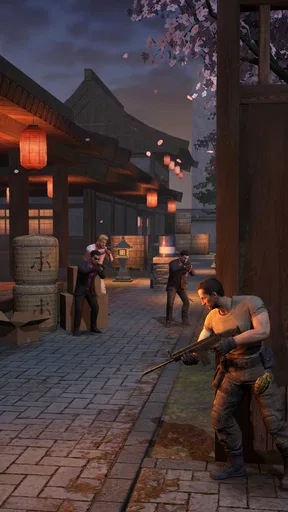
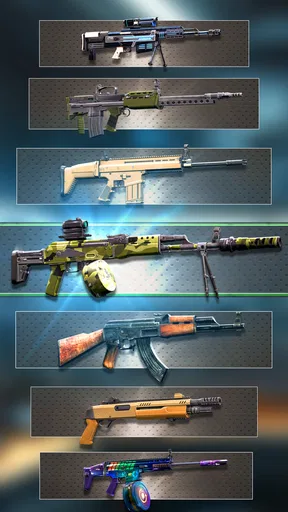
 Analysis by AppCompare
Gun War: 3D Shooting Games is the kind of action game I can open when I want a direct shooting session rather than a long story, a complicated role-playing system, or a large open world to manage. Developed by VNGGames Studios, it presents itself as a free 3D first-person shooter for Android, with a Teen content rating and a straightforward focus on aiming and firing. After spending time with it, my main impression is that its appeal depends less on depth and more on immediacy: it is built around getting into the action quickly.
I found that focus useful in short bursts. If I have a few spare minutes and want something more active than a puzzle, the game gives me a familiar gun-game format without asking me to learn a huge collection of systems first. At the same time, players looking for a highly competitive shooter, a rich campaign, or carefully explained accessibility options may find the experience less satisfying. My view is positive but specific: this is best approached as a compact mobile action game, not as a complete replacement for the biggest shooters on Android or iOS-style gaming platforms.
How the interface supports quick reading and navigation
I find that quick reading matters especially in a first-person shooter: if I have to hunt through menus or decode unclear prompts, I lose the advantage of a short session. This section looks at how the game’s direct identity can make its purpose easy to grasp, while also pointing out why a clean starting point does not automatically make every on-screen detail comfortable to read. Next, I consider the physical and sensory effort involved once the action begins.
A clear starting point for players who dislike clutter
The strongest part of the presentation is its immediate identity. The title, the 3D first-person viewpoint, and the shooting emphasis all point in the same direction. I do not feel that the game is trying to be a social hub, a strategy board, and a shooter at the same time. That matters for readability because a player can understand the basic purpose before investing much time.
For someone new to mobile shooting games, this directness can reduce the initial mental load. You are not approaching Gun War: 3D Shooting Games to decorate a base or compare dozens of character statistics. You are approaching it to aim, react, and complete shooting-focused play. The clearest advantage is its narrow learning target: understand the view, identify what needs to be shot, and practice controlling the action.
The game’s store presence also makes its audience easy to identify. It is listed as an action game, is free to install, and has reached over one hundred thousand installs. Its average rating is 4.6 from around six hundred ratings, which suggests that the basic formula has found an interested audience, although I would not treat that number as a substitute for deciding whether its controls suit you.
What I would check before settling in
Navigation is not only about whether menus look simple. It is also about how quickly I can understand what the game expects from me after launching it. In a shooting game, confusing prompts or crowded controls can make the first few minutes tiring, especially for someone who reads slowly, has limited attention, or is playing on a small screen.
Worth Reading Before You Choose

EA SPORTS FC Mobile 26 Is a Bigger Football Game, but It Takes Time

Flipboard Shows What News Apps Must Do Beyond the Feed

Switching to Android Auto Means Rethinking Your Driving Routine

Google Calendar Makes a Crowded Week Easier to Manage

Ludo King Makes the Most of the Minutes Between Plans

Baby Panda World Brings Quick Play to Modern Phones, but Its Game Library Feels Busy
My practical advice is to begin with the sound at a comfortable level, hold the phone in the position you normally use, and test whether the important visual information remains easy to follow. Do not judge the game only while sitting at a desk with perfect lighting. A control layout that feels acceptable in ideal conditions can become uncomfortable on a bus, in a bright room, or when one hand is occupied.
The current version is 1.10.0, and the minimum requirement is Android 7.0. That gives the game a relatively broad starting point for Android users with older supported devices. Still, operating-system compatibility is not the same as a comfortable experience. Screen size, touch response, performance, and the player’s own visual preferences will have a much larger effect on day-to-day usability.
Why the first session matters more than the description
A short first session tells me more here than the promotional wording does. I watch for whether I can distinguish the target from the surrounding scene, whether the action becomes visually tiring, and whether I can recover after making a mistake without losing track of the objective. These are especially important questions for players who need strong visual hierarchy or who become overwhelmed by fast movement.
I also recommend checking whether the game feels understandable without relying heavily on audio. I do not want to assume that every player can hear sound cues clearly, use headphones, or play somewhere quiet. If the visual presentation communicates the important information on its own, the game becomes more flexible. If sound is essential to awareness, then the experience may be less suitable for people with hearing loss or for anyone playing in a noisy shared environment.
Motor, visual, and sensory demands during play
The main question for me is not simply whether the game looks polished, but whether its pace and touch demands remain comfortable over a real session. I focus here on the practical load of aiming, tracking motion, and staying attentive, since those can vary widely between players and devices. That leads into how the same shooter may feel quite different during a quiet break at home and in a less controlled setting.
Touch aiming is the central challenge
Like other mobile first-person shooters, Gun War: 3D Shooting Games places much of its demand on touch control. That creates a very specific accessibility question: can the player aim and fire comfortably with the available fingers, grip, and range of motion? A person with steady touch control may find the interaction natural after practice, while someone with tremors, limited dexterity, joint pain, or only one reliably usable hand may experience the same design as demanding.
I would not recommend assuming that a familiar shooter layout works for everyone. Some players prefer using both thumbs, some need to keep one hand free, and others need larger targets or more time to react. If the controls cannot be adapted enough to match those needs, the limitation is not the player’s lack of skill; it is a mismatch between the interaction and the person’s motor abilities.
A useful everyday test is to play while holding the phone the way you normally do when commuting or relaxing. Try a short session with your wrists supported, then another while standing. If aiming becomes uncomfortable quickly, that is valuable information. A game designed for quick action can still be a poor choice if the physical effort needed to maintain accuracy makes every session tense.
Visual comfort is more than graphics quality
The 3D first-person perspective can make the action feel immediate, but it can also increase sensory pressure. Rapid camera movement, repeated aiming, bright effects, and the need to scan the scene can be tiring for players who are sensitive to motion or visual clutter. I pay attention to whether I can keep my eyes on the important area without constantly searching the entire screen.
Players with low vision may also need to think about contrast and scale. A small target, a busy background, or information placed near the edges can be difficult to interpret even when the game is technically running correctly. I would try the game in the display settings I already use rather than changing everything just to make one session work. If the phone’s text and interface scaling help without making the controls awkward, that is a practical advantage; if not, the game may require more visual effort than expected.
Color-dependent information can be another concern. People with color-vision differences may not immediately distinguish certain targets, effects, or indicators if the design relies mainly on hue. I cannot treat a standard action-shooter presentation as automatically inclusive. The safer approach is to see whether shapes, position, movement, and contrast provide enough information without requiring perfect color recognition.
Sound, attention, and fatigue
Action games ask for sustained attention even when the individual session is short. That can be enjoyable, but it can also be tiring for players with migraines, sensory sensitivity, attention difficulties, or a low tolerance for repeated visual stimulation. I find that the best way to use this type of game is to treat it as a focused activity rather than background entertainment.
For a realistic scenario, imagine playing during a lunch break in a busy workplace. You may have only one hand free, the screen may reflect overhead lighting, and audio may be unavailable. In that situation, the game’s value depends on whether you can understand the action visually and control it without a relaxed two-handed setup. Someone who wants a calm break may be better served by a slower game, while someone who enjoys quick concentration may appreciate the short action format.
Age suitability and shared-device choices
The Teen content rating is important for families deciding whether this belongs on a shared device. This is a shooting game, so parents and guardians should consider whether that type of fictional combat fits the player’s age and household expectations. I would not install it for a younger child simply because the download is free or because the interface appears easy to understand.
The free entry point lowers the barrier to trying it, but in-app purchases cost $4.99 per item. That makes it worth establishing a simple rule before handing the phone to a child: purchases should not be treated as part of normal play unless the owner of the device has chosen to allow them. For adults, the same advice is useful if the phone is shared with family members or left unlocked around children.
Playing in different contexts and with different needs
A game that works well in one setting may become awkward when the screen is hard to see, sound is unavailable, or only one hand is free. I consider which everyday situations are likely to suit this focused action format, and where a slower or less movement-intensive alternative would be kinder. The next section weighs those benefits against the limits that come with a free-to-start shooter.
Where the game fits comfortably
I see the best use case as a player who wants an uncomplicated action session on an Android phone that meets the minimum operating-system requirement. The game can fit into a short break, a wait at an appointment, or an evening when I want aiming practice without committing to a long narrative. Its free price also makes experimentation easy: I can discover whether the control style suits me before spending anything.
It may also work for someone moving from simpler shooting games toward a 3D first-person format. The visual perspective gives a stronger sense of being inside the action than a top-down game, while the narrow focus keeps the concept easier to grasp than a shooter combined with extensive character management. I would recommend it to a casual player who values quick access over a large feature set.
When the surrounding environment changes the experience
Mobile accessibility is often situational. A player may have good vision and dexterity at home but struggle on a moving vehicle, in sunlight, or while wearing gloves. A fast shooter is particularly sensitive to those changes because a small delay can affect aiming. I would use it in a stable setting whenever possible, with the screen positioned so that glare does not hide the action.
One practical workflow is to reserve the game for short, deliberate sessions rather than trying to play continuously throughout the day. Before starting, I would lower distractions, clean the screen, and decide whether sound is appropriate. During play, I would stop when the controls begin to feel physically tense instead of forcing myself to continue. This approach does not change the game, but it makes its demands easier to manage.
It is also worth considering connectivity and privacy in a shared environment, although I would not choose the game based on assumptions about features that are not clearly presented. What I can say from the product’s identity is that it is a focused action title, so anyone needing a quiet, low-stimulation, hands-off experience should look elsewhere. The genre itself creates a barrier for players who cannot comfortably perform repeated touch aiming.
Who may prefer another type of game
I would steer away from this title if your priority is a deep campaign, a strong narrative, methodical exploration, or highly customizable controls. A slower tactical game may be a better fit for players who need more time to process visual information. A turn-based action game may suit someone with limited motor speed. A puzzle or strategy game may be preferable for people who want to play without the sensory intensity associated with a 3D shooter.
Competitive players should also keep their expectations measured. The appeal here is the basic shooting experience, not an implied promise of the same depth, balance, or long-term mastery found in major multiplayer shooter alternatives. If your enjoyment depends on extensive progression, a large player community, or precise competitive tuning, you may outgrow this game quickly.
Remaining barriers and the trade-offs behind the free entry
Free entry makes it easy to try the game, but it does not remove the need to assess comfort, age suitability, or optional spending before settling in. I look at the choices I would make before recommending it on a shared device, and why the simplest test is whether the core shooting interaction feels worthwhile without rushing into purchases. From there, I weigh who is most likely to get lasting enjoyment from its direct approach.
Free does not mean frictionless
The absence of an upfront price is helpful, especially for curious players who want to test the experience. However, the presence of per-item purchases means I would still approach progression and spending carefully. I would not buy anything during the first session. First, I would decide whether the controls feel comfortable, whether the visual pace is manageable, and whether I can enjoy the core loop without feeling pushed toward optional spending.
This is particularly important for players who use games as a low-cost form of recreation. A free download can be a good invitation, but it should not create pressure to pay before the player understands what the game offers. Families should make purchase permissions clear, and adults should consider setting a personal limit before exploring any optional items.
Device fit can matter more than the operating system
Android 7.0 compatibility is useful, but it does not tell me how comfortable every supported phone will be. A smaller display can make aiming and reading information harder. A device with an unresponsive touch panel can turn a manageable challenge into frustration. A player with visual or motor limitations should evaluate the physical phone as part of the experience, not just the software.
I would also avoid judging performance from someone else’s device. Two phones that run the same operating system can feel very different in touch accuracy, screen brightness, and sustained comfort. If you are installing the game for a specific accessibility need, test it on the actual phone and in the actual environment where you expect to play.
Why a simple design can still exclude people
The game’s straightforward concept is an advantage for learning, but simplicity in purpose does not guarantee flexibility in use. A player may understand exactly what to do and still be unable to do it comfortably because the task depends on quick, repeated, precise touch movements. That distinction is easy to miss when judging a shooter only by its menus or store wording.
For me, the key trade-off is clear: the more directly the game moves toward aiming and shooting, the less room there may be for players who need slower timing, alternative input, reduced motion, or a quieter sensory presentation. I would rather be honest about that than describe the game as universally accessible. It can be approachable in concept while remaining demanding in execution.
How it compares with familiar alternatives
Compared with a top-down shooter, this game asks me to manage a more immersive viewpoint and usually places greater emphasis on visual tracking. Compared with a large competitive shooter, it is easier to understand as a focused action product, but it may not satisfy players seeking a broad ecosystem or extensive customization. Compared with a casual arcade game, it offers a more recognizable first-person gun-game experience, while demanding more from the hands and eyes.
That comparison helps define its audience. I would choose it over a complex shooter when I want a quick, focused trial. I would choose a slower game when comfort, accessibility, or relaxed decision-making matters more than immediate reactions. There is no universal winner here; the right option depends on whether the player values speed and direct action or control flexibility and lower sensory demand.
My inclusive verdict for Gun War: 3D Shooting Games
Gun War: 3D Shooting Games is a free Android action game from VNGGames Studios that does one thing clearly: it puts a 3D shooting experience at the center of the session. I like that it does not require a player to understand a large fictional world before enjoying the basic idea. The rating of 4.6, based on around six hundred ratings, and its reach of over one hundred thousand installs show that the format has attracted attention, but my recommendation still depends on your comfort with touch aiming.
I would recommend trying it if you enjoy first-person shooting, want short mobile sessions, and can comfortably manage repeated visual tracking and touch input. Its minimum Android requirement of 7.0 makes it accessible to a broad range of Android users from a software-version perspective, while the free download lets you test the fit without an upfront commitment. The Teen rating and optional purchases are reasons to involve a parent or set spending boundaries when the device is shared.
I would skip it if you need alternative control methods, reduced visual intensity, slow pacing, or especially detailed accessibility support. I would also skip it if your idea of a great shooter involves a deep story, extensive customization, or a highly competitive long-term community. In those cases, a different category or a more feature-rich shooter will probably serve you better.
My final advice is simple: treat the first session as a comfort check, not just a skill test. Play in the setting where you will really use it, notice whether the screen remains readable, and stop if your hands or eyes become strained. If the direct action feels comfortable, this can be an enjoyable pick-up-and-play shooter. If the controls or sensory demands get in the way, the game’s focused design becomes a limitation rather than a strength.
Pros
- Fast-paced missions are easy to pick up during short gaming sessions.
- Wide range of weapons gives combat a satisfying sense of variety.
- Simple controls make aiming and shooting accessible for casual players.
- 3D environments add more visual interest than basic shooting galleries.
- Offline play lets you enjoy missions without a constant internet connection.
Cons
- Frequent ads can interrupt gameplay
- especially between completed missions.
- Weapon upgrades may require considerable grinding or in-app purchases.
- Enemy behavior is often predictable after playing several levels.
- Limited movement can make firefights feel less tactical than expected.
- Graphics and animations may look dated on newer phones.
FAQs for Gun War: 3D Shooting Games
What is Gun War: 3D Shooting Games about?
Gun War: 3D Shooting Games is a mobile first-person shooter focused on short, action-packed missions. After testing the game, its main appeal is the straightforward gameplay: choose a weapon, enter a level, eliminate enemies, and complete the objective. It is designed for players who prefer quick shooting sessions rather than a complex story or a large open-world experience.
Can Gun War: 3D Shooting Games be played offline?
Many of the game’s individual missions can be played without a constant internet connection, which makes it suitable for short sessions while traveling or when mobile data is unavailable. However, some features may still require internet access, including advertisements, updates, rewards, cloud-related functions, or other online content. It is best to launch the game once while connected before relying on offline play.
Is Gun War: 3D Shooting Games free to download and play?
The game is generally available as a free download, allowing players to try its basic missions without paying upfront. Like many free-to-play shooting games, it may include advertisements and optional in-app purchases for weapons, upgrades, currency, or other advantages. You can progress without immediately spending money, but some purchases may reduce waiting or speed up equipment improvements.
What kind of weapons and upgrades are available?
Gun War: 3D Shooting Games offers a selection of firearms and equipment that can be improved as you progress. Weapon upgrades typically affect important elements such as damage, accuracy, firing speed, ammunition, or reload performance. The exact options can vary by version, but upgrading strategically is useful because later missions usually introduce stronger enemies and more demanding combat situations.
Is Gun War: 3D Shooting Games suitable for children?
Parents should review the game’s age rating before allowing children to download it. The gameplay centers on shooting enemies, weapon use, explosions, and combat scenarios, so it may not be appropriate for younger players or families seeking nonviolent entertainment. Advertisements and optional purchases are also worth checking, particularly if the device is used by a child without direct supervision.


